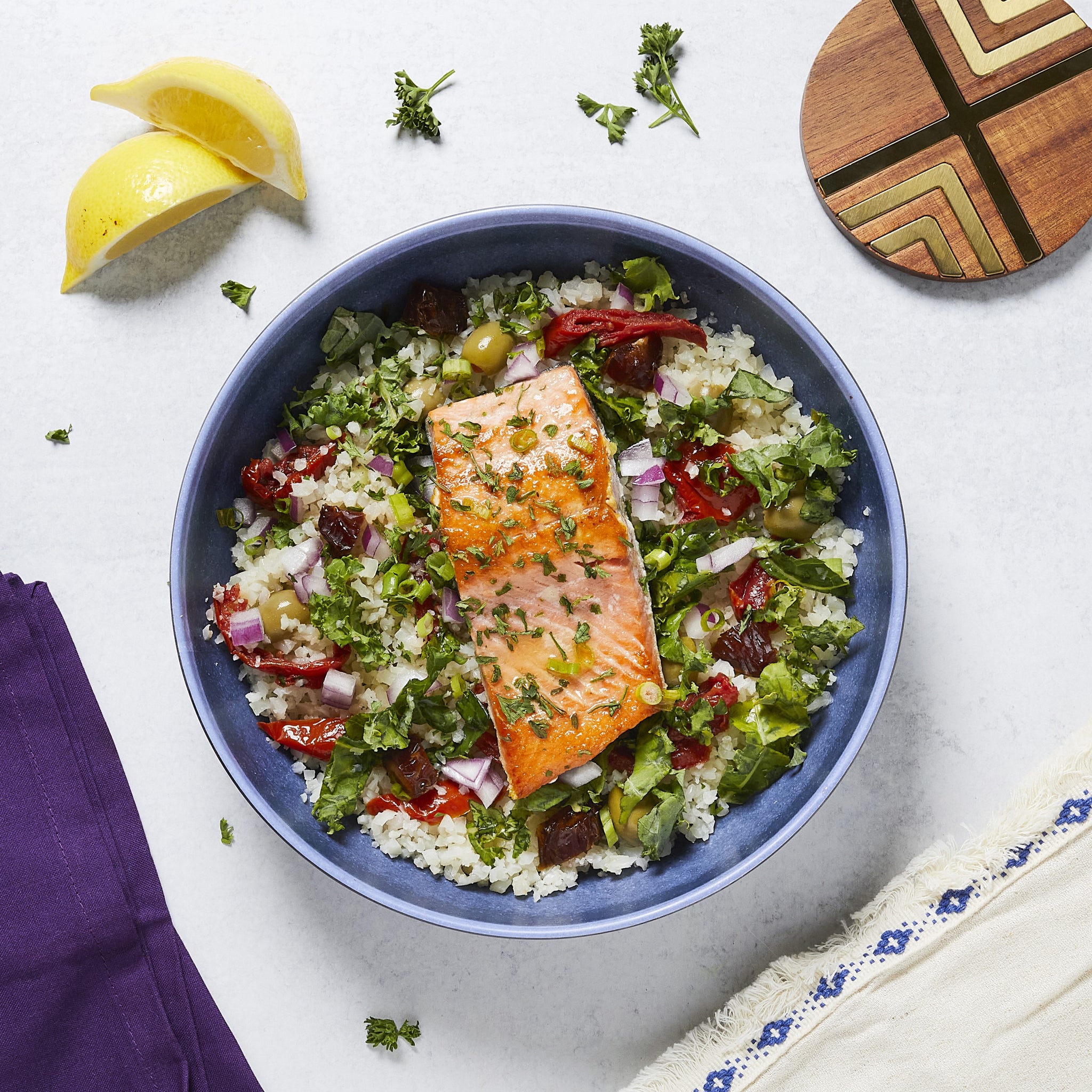

Building muscle is a long-term process that relies on daily, consistent habits—not drastic short-term changes. Sustained effort, even when life gets busy, is the real path to lasting gains.
Focus on small, consistent choices over perfection. Preparing healthy snacks, like portioned vegetables on Sundays, helps set you up for success. Nutrition should make your muscle building and recovery manageable for the long haul.
Why Habits Trump Short-Term Plans for Muscle Growth
Muscle growth, or hypertrophy, happens slowly as your body adapts to resistance training. It's not an overnight transformation but a cumulative effect from repeated stress on muscles, followed by repair.
Nutrition helps muscles repair by providing amino acids from protein. Without enough food, even great workouts won’t deliver results. Recovery matters, too. Sleep and rest days help your body use nutrients well.
Short-term diets fail because they don’t last in real life. Building lasting habits makes you resilient, so progress continues even when life changes unexpectedly.
Core Habits for Sustainable Muscle Building Nutrition
Start with habits you can maintain daily—balance is key. Avoid extremes and aim for changes that endure over time.
Consistent Protein Intake Throughout the Day
Protein supports muscle repair and growth by supplying amino acids. Aim for a total daily intake around 1.6 to 2.2 grams per kilogram of body weight, based on research from sources like the National Institutes of Health.
Distribute your protein intake across meals, aiming for 20–40 grams per meal. For example, have eggs for breakfast, chicken for lunch, and fish for dinner. This maintains muscle without overloading one meal.
Plant-based foods like beans or tofu are best when combined to provide all essential amino acids. For example, lentils with rice and various vegetables make a complete, satisfying meal. Focus on consistency, not perfection, each day.
Balanced Meals with Carbs and Healthy Fats
A balanced muscle-building diet includes carbohydrates for workout energy and fats for hormone health. Carbs from oats or sweet potatoes replenish energy stores, supporting long-term performance.
Healthy fats from avocados or nuts help your body absorb nutrients and support joints. Center meals on protein, add vegetables for fiber, and include carbs and fats to round out your meal.
This eating style helps prevent energy crashes and keeps you fueled for muscle growth, without excess calories.
Eating Enough to Fuel Your Training
To build muscle, eat slightly more than you burn daily. A small calorie surplus promotes muscle growth without excess fat. Pick nutrient-rich foods to reach this goal.
Notice your hunger and adjust your intake based on your activity. You may need more food on training days, less on rest days. This helps you avoid undereating and slow progress.
A good muscle-gain meal: stir-fried lean beef, rice, and broccoli—simple, satisfying, supportive.
Hydration and Micronutrient Focus
Water is essential for muscle function and recovery. Drink 2.5 to 4 liters a day, or more if very active. Inadequate water can weaken you and slow recovery.
Micronutrients like vitamin D, calcium, and magnesium support muscle health. Get them from a varied diet—leafy greens, dairy, and sun. If needed, use a simple multivitamin, but food should be your main source.
These habits work together to give your body what it needs for ongoing, sustainable muscle growth.
Nutrition Habits Centered on Recovery
Eating for recovery means choosing sleep-supportive meals, such as slow-digesting proteins, before bed. For example, casein from cottage cheese aids overnight muscle repair.
Add anti-inflammatory foods, such as berries or omega-3-rich fish, to help reduce soreness. Over time, this helps your body recover better and makes it easier to stick with your training.
Meal planning for muscle growth doesn’t have to be strict. Pick a few go-to meals that fit your week and make things easier.
Common Mistakes That Hinder Long-Term Progress
Even if you mean well, some common mistakes can slow down muscle growth. Noticing these can help you make changes without being hard on yourself.
It’s common to eat too little during busy weeks. Skipping meals can cause fatigue and stall progress. Keep quick meals ready to stay on track.
Eating at random times disrupts energy. Aim for regular meals to keep energy steady, but be flexible as long as you meet your needs.
Overusing supplements means missing out on the benefits of whole foods. Protein powders help, but shouldn’t replace meals with varied nutrients.
All-or-nothing thinking disrupts long-term progress. Consistency beats perfection—your habits over time are what matter most.
Practical Strategies to Build Lasting Habits
Start building habits with small steps that fit your lifestyle. It’s better to focus on what you do each week rather than stressing about daily tasks.
Use a simple meal framework: Protein, produce, and a carb source. This guides choices without strict recipes, like turkey with salad and quinoa.
On busy days, keep staples like nuts, yogurt, or canned tuna on hand. This keeps your muscle-building diet on track, even when plans change.
Do a weekly check-in. Review the good, change one thing if needed, and continue. This supports growth without overwhelm.
The Value of Convenience in Maintaining Consistency
Consistency matters more than perfect home-cooked meals. Prepared meals can help fill gaps and keep you eating well with less effort.
When you’re short on time, prepared meals offer balanced options that align with your goals. Over time, steady nutrition leads to better results than chasing perfect meals now and then.
Services offering fresh, balanced meals make it easier to form habits. You get more energy for training and family life.
Healthy Fresh Meals as a Reliable Support
If you’re working on long-term habits, Healthy Fresh Meals offers a practical solution. Their meals focus on balanced macros, with plenty of protein, carbs, and fats from quality ingredients.
Delivery saves time on shopping and preparation, making it easier to stay consistent. Reliable options support healthy eating for muscle growth on your schedule.
Whether planning meals for the week or needing a quick dinner, this support helps you stay on track with your nutrition without extra stress.
FAQs on Healthy Eating for Muscle Growth
How long does it take to see muscle growth?
You’ll usually see visible changes after two to three months of consistent training and good nutrition. Progress is gradual and depends on your age, genetics, and where you start. Focus on steady improvement.
Do eating habits need to change over time?
The main habits, like eating a balanced diet, stay the same, but you might need to adjust them for different life stages or goals. For example, you may need more protein as you get older to help prevent muscle loss.
Is protein timing more important than total intake?
Getting enough protein each day is most important for muscle growth, but spreading it out across your meals can help your body use it more effectively. Eating around your workouts can help too, but don’t worry if it’s not exact.
Sustainability vs. intensity: Which wins for long-term results?
Sustainability is the ultimate key to results. Intensity causes burnout, but steady habits build strength that lasts all year.
Can I build muscle on a plant-based diet?
Yes, you can build muscle on a plant-based diet by eating a variety of foods like legumes, grains, and nuts to get complete proteins. The important thing is to get enough and keep your diet balanced, just like with any other diet.
What if I miss a meal—does it set me back?
Missing one meal won’t set you back. Focus on your overall habits, since your body responds to what you do over weeks, not just on any given day.
If these sustainable habits match your goals, consider how Healthy Fresh Meals could support you. Explore their options and adopt changes at your own pace for lasting results.