
When eating for muscle gain, the main challenge is to find effective, sustainable strategies that avoid overwhelm. Focus on progress by building habits that support your muscle goals without stress or confusion.
Tracking progress should help you notice what works for building muscle, not create pressure for perfection. The main message: consistency in your habits makes you stronger over time.
What Tracking Progress Really Means
The key to tracking progress is focusing on patterns that help you become stronger over time. Real progress is measured by trends—not daily details—showing up in how you look, feel, and perform.
You don't have to be perfect. Missing a workout or an off meal won't erase progress. Focus on being consistent most of the time, and adjust as needed.
Looking at weekly patterns aligns with the main message: track progress in a low-stress way that delivers results. Checking in weekly helps keep your muscle-building journey steady and achievable.
The Role of Meals in Building Muscle
Meals form the foundation of muscle-gain nutrition. Consistent eating patterns provide the fuel your body needs to recover from workouts and build strength.
Being aware of your portions is important. Knowing about how much you eat helps you get enough food without making things too complicated. Try to balance your plate with a variety of foods that keep you full. For example, aim to fill half of your plate with vegetables, a quarter with protein, and a quarter with carbohydrates. This simple visual guide can make portioning easier, especially for beginners.
Getting enough protein is important for muscle repair, but you don't have to focus on it all the time. Try to include a good source of protein in most meals, especially after you work out, to help your body recover.
Simple Ways to Build Consistent Meals
Meal prepping for muscle building can make your week easier. Cook proteins like chicken or beans in advance, and combine them with vegetables and grains for quick meals.
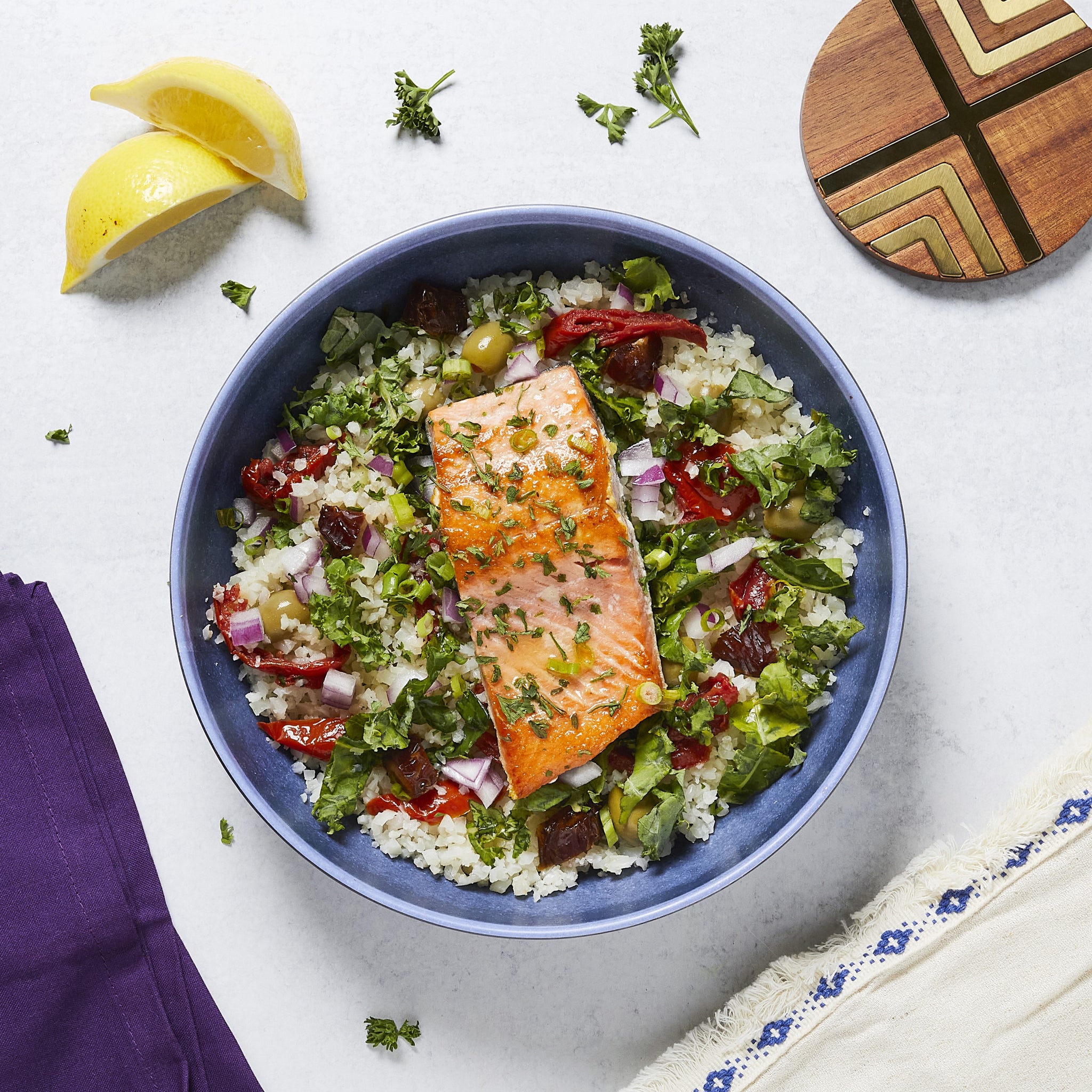
High-protein meal examples include eggs with vegetables for breakfast, or salmon with quinoa for dinner. These help you reach your goals without having to constantly count.
Sticking to these habits over time helps your body get stronger and supports long-term healthy practices by making it easier to maintain an effective routine.
Understanding Macros Without the Overload
Macros, or macronutrients, are the proteins, carbs, and fats in your food. Each one helps your body work properly, especially when you're trying to build muscle.
Protein helps repair and build muscle tissue after exercise. Carbs provide energy for your workouts, while fats support hormone balance and overall health.
If your goal is muscle gain, eat more protein while balancing carbs and fats. These general guidelines vary based on your activity and body size.
How to Track Meals and Macros Practically
If you're new to tracking macros, you don't need special tools at first. Just write down what you eat in a notebook to notice any patterns.
For more structure, try the hand portion method: your palm for protein, a cupped hand for carbs, a fist for vegetables, and your thumb for fats. This helps you track meals without a scale.
For example, you might have one or two palm-sized portions of protein in a meal, depending on your size and goals. This method is simple and easy to adjust.
How Nutrition Ties Into Muscle Gain
You build muscle when your body repairs and strengthens the fibers used during exercise. Good nutrition gives your body the building blocks and energy it needs to recover.
Adequate protein ensures amino acids are available for muscle repair. Carbs replenish glycogen stores, helping you perform better in future sessions.
Fats help make hormones necessary for muscle growth. Eating a little more than you burn each day supports muscle gain; very large meals aren't required.
Recovery is just as important as working out. Getting enough sleep and managing stress help your meals work better, leading to steady progress.
Clearing Up Common Misconceptions
Some people think they need to track everything forever, but that's not true. After a few months of paying attention, many find they can relax and trust their habits.
Another common worry is that small slip-ups will ruin your progress. Having a treat or missing a log won't set you back if you stick to your routine most of the time.
Some believe you need to eat huge portions or cut out foods to gain muscle, but making steady, moderate choices usually works better in the long run.
Not all calories are equal. Choosing whole foods instead of processed ones gives you better energy and helps with recovery, even if your calorie count isn't exact.
Low-Stress Ways to Track Progress
If tracking every detail feels overwhelming, focus on your protein goals. Research suggests aiming for 1.6 to 2.2 grams of protein per kilogram of body weight each day for muscle building. Adjust as needed based on how you feel.
The hand portion method makes things easier. Try to have one or two portions of protein at each meal, adjusting for your needs. Focus on being consistent rather than exact.
You can check your progress weekly instead of tracking every day. Weigh yourself or take measurements once a week, and pay attention to how your clothes fit or how your energy changes.
Choose tracking methods that lower stress and keep you focused on your muscle-building goals. The main message: stick with what works best for you and supports progress, not perfection.
Tools for Tracking: Apps Versus Everyday Awareness
Apps can be helpful for detailed macro tracking, offering insights into your intake with minimal effort after setup. They're great when you're dialing in specifics for a phase.
But they aren't for everyone—some find them time-consuming or anxiety-inducing. According to Holly Roser, carefully tracking your macronutrient intake can help optimize muscle-building results, especially when you are starting a new fitness routine. Simple tracking methods like using notes or estimating portions can help build awareness in everyday situations. For maintenance, intuitive cues like hunger and fullness often suffice.
Pick the method that matches your stress level and goals.
How Healthy Fresh Meals Can Help
If tracking feels like too much, services like Healthy Fresh Meals can help. Our pre-portioned meals make it easy to get the right balance of macros with quality ingredients.
Each meal includes plenty of protein, along with carbs and fats, to support muscle gain. You don't have to track every detail—just focus on being consistent.
This approach can help you focus on work or other parts of life while still making progress.
FAQs on Tracking for Muscle Gain
How precise does tracking need to be?
It depends on where you're starting. Beginners might do well with flexible guidelines, while people with specific goals may want to track more closely for a while. Try to get close enough instead of being exact.
What if progress stalls?
First, look at your overall food intake and workouts. Sometimes eating a bit more or adding protein can help, or you may need to change your training. Be patient, as changes can take time to show results.
Do macros matter more than calories?
Both matter. Macros help you get the right mix of nutrients, while calories give you the extra energy needed for muscle growth. Macros help fine-tune your results.
How long does it take to see muscle progress?
If you're new to this, you might see changes in four to six weeks, such as lifting more easily or having more energy. Visible muscle growth usually takes two to three months of steady effort.
Can I build muscle without tracking apps?
According to a 2020 review, increasing protein intake can help adults gain more muscle mass and strength, while tracking meals with apps is just one helpful tool and not essential for muscle building. Focus on what keeps you motivated.
Is protein the only macro that matters for muscle?
No, carbs and fats are also important because they give you energy and help with hormones. A balanced approach usually works better than focusing on just one nutrient.
If you want to simplify your routine, check out Healthy Fresh Meals. Their options could make tracking easier and feel more natural in your day. Try different things to see what works best for you.