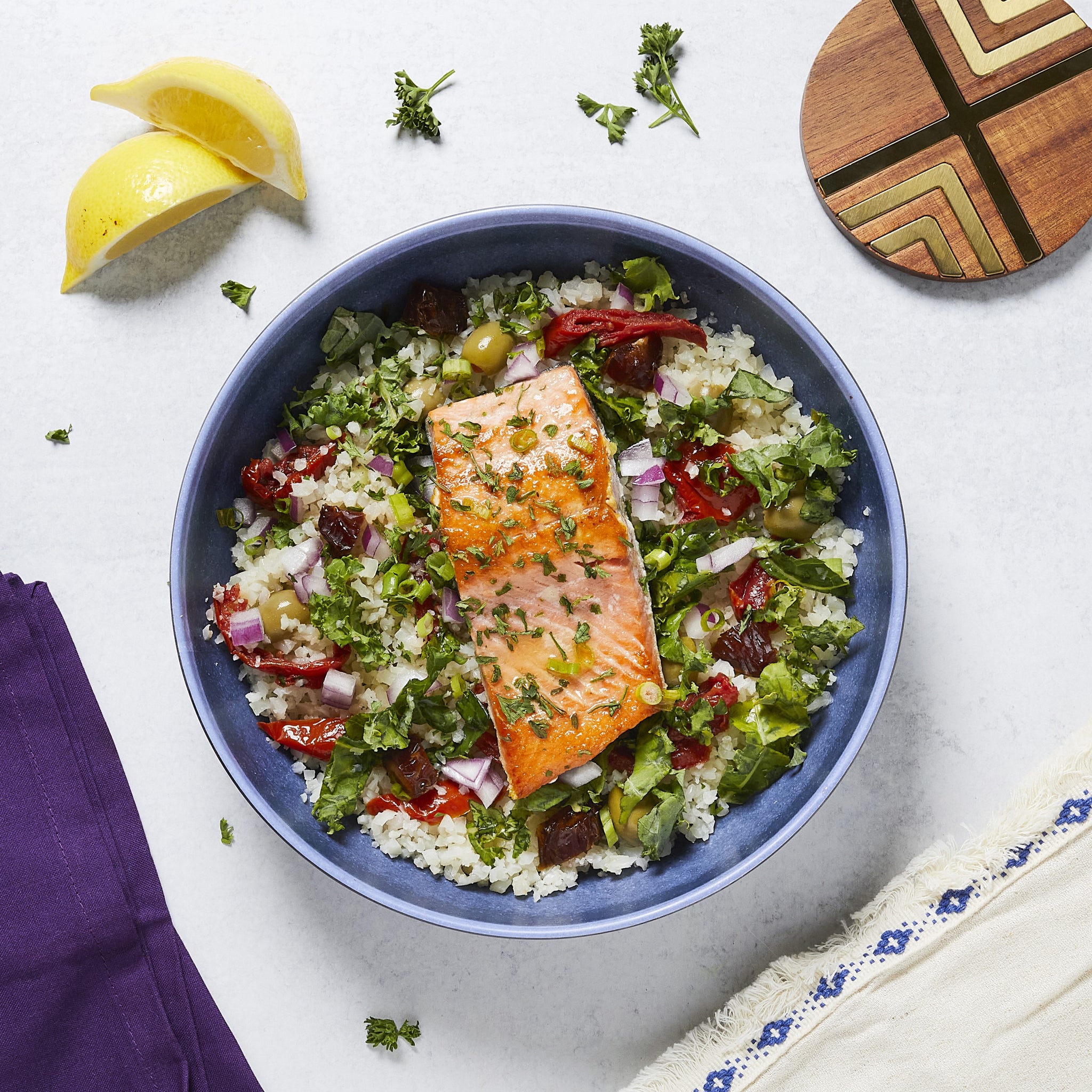

Imagine opening your lunchbox to find perfectly crisp vegetables alongside tender, juicy proteins, all maintaining their fresh flavor as if they were just cooked. This is the promise of effective meal prep: offering delicious, nutritious meals every day, without compromising on quality. However, many people are disappointed by meals that turn out soggy, dry, or bland. With a few simple strategies, you can keep your meal prep fresh all week and enjoy meals that taste just-cooked.
Learn how to keep meal prep fresh and nutritious all week. Use these strategies to prevent spoilage, avoid mistakes, pick the best containers, and master reheating. Whether you’re new or experienced, these tips will simplify your routine and improve your healthy eating.
Why Meal Prep Food Goes Bad Faster Than You Expect
If food isn’t stored properly, it quickly loses its appeal. Different ingredients react differently to storage conditions. Enzymatic activity can wilt leafy greens, proteins dry out as they lose moisture, and sauces may separate or become watery due to temperature changes and microbial growth. Understanding these reactions helps you avoid unappetizing meals and stay consistent with meal prep.
Packing food while it’s still warm or using containers that trap steam creates condensation — and that moisture sits right in the bacterial “danger zone” between 40–140°F. Bacteria multiply rapidly in this range, and excess moisture can leave vegetables soggy or cause mold on bread and grains. Without proper cooling and storage, meals can spoil in just a few days.
Some foods are naturally more delicate. Fresh herbs, tender vegetables, and certain fruits lose texture and flavor quickly. Poor handling can affect an entire batch — tomatoes may turn mealy, and avocados can brown. Thinking ahead about how each ingredient holds up makes a noticeable difference in freshness.
Common Storage Mistakes That Ruin Meal Prep
Storing food while it’s still hot traps steam and moisture. Let meals cool to room temperature first, then portion and seal them in airtight containers before refrigerating. For faster cooling, spread food on a baking sheet — this helps preserve texture and flavor.
Thin plastic containers can stain, absorb odors, and allow air to seep in, leaving food dry and tasting like the fridge. Instead, choose glass or sturdy plastic containers with airtight lids to maintain freshness. Glass is odor-proof and stain-resistant, while high-quality plastic is lightweight and practical. Using a variety of container sizes also helps prevent unnecessary exposure to air.
An overcrowded fridge limits airflow, cools meals unevenly, and increases the risk of spoilage. Keeping your fridge organized allows air to circulate and makes meals easier to access. Place older meals toward the front and newer ones at the back so nothing gets forgotten.
Best Containers and Storage Methods for Fresh Meal Prep
Glass containers with airtight lids are one of the best options for keeping food fresh and flavorful. They don’t stain or hold odors, work safely in the fridge, microwave, or oven, and reduce waste over time. Their clear, stackable design also makes it easy to see and organize your meals.
BPA-free plastic containers are another practical choice when they’re sturdy and well-sealed. Divided containers help keep ingredients separate, and microwave- and dishwasher-safe designs simplify daily use. Some even include built-in portion guides to support nutrition goals.
For longer storage and freezing, vacuum-sealed bags are highly effective. Removing air slows spoilage, prevents freezer burn, and keeps meals fresh for months. They’re also excellent for marinating, allowing flavors to absorb more deeply before cooking.
How to Store Different Foods for Maximum Freshness
Store proteins like chicken, fish, and lean beef in airtight containers. Cool them quickly and refrigerate within two hours to maintain safety and quality. Portioning proteins into 3–4 ounces per serving helps with consistency, and avoiding overcooking prevents them from drying out when reheated. Marinating before cooking also adds moisture and boosts flavor, making leftovers taste freshly prepared.
Seal firm vegetables, such as carrots and bell peppers, in airtight containers to retain crunch. Store leafy greens separately and add them fresh or lightly steamed when serving. Placing a paper towel in the container absorbs excess moisture and keeps greens crisp longer. If freezing vegetables, blanching them first preserves color, flavor, and nutrients.
Cool carbohydrates like rice, quinoa, and sweet potatoes quickly before storing them in airtight containers. Keeping grains separate from sauces or dressings prevents sogginess until you’re ready to eat. When cooking grains in bulk, portion them out to maintain freshness. You can also prepare several types of grains at once and store them individually, making it easy to mix and match meals throughout the week. For example, pairing quinoa with roasted vegetables and a drizzle of chimichurri creates a vibrant, flavorful combination. This flexible approach adds variety without relying on rigid recipes, keeping meal prep both simple and enjoyable.
Weekly Meal Prep Tips to Prevent Soggy or Dry Meals
Prep ingredients separately to keep meals fresh. Store sauces, dressings, and crunchy toppings in small containers and add them right before eating. For salads, layer heavier ingredients like grains and proteins at the bottom, and place greens and nuts on top for crispness.
Add herbs and garnishes before serving. Chopped cilantro, parsley, or green onions brighten your meal. Add citrus zest or lemon juice for flavor without extra calories.
Don’t overfill containers. Leave space for air flow and easy reheating. Overfilled containers trap moisture, leading to uneven heating. Use small containers for sides and snacks to help with portion control and organization.
Reheating Tips That Restore Taste and Texture
Reheat the right way. In the microwave, use 70% power and stir halfway through to avoid rubbery edges. Cover to hold steam and heat gently. Use the oven for more even heating and better texture. Preheat and use a baking sheet with parchment to keep foods crisp.
To reheat proteins and grains, try using a skillet with a little water or broth to bring back moisture and keep them from drying out. This can also help make roasted veggies or grilled chicken crispy again. Add your favorite spices or a bit of soy sauce as you heat to boost flavor and keep meals interesting all week. For an extra touch of freshness, sprinkle fresh herbs or squeeze citrus over your meal after reheating. This simple addition can enhance aromas and make your meal feel freshly made without requiring much extra effort.
For saucy meals, add more sauce or a drizzle of oil before reheating. In the oven, loosely cover the dish with foil to retain moisture. Use a steamer basket for veggies and delicate proteins to prevent them from drying out.
Let us help with your Meal Prep!
Healthy Fresh Meals understands the value of meals that are both fresh and aligned with your nutrition goals, yet convenient. Our chef-prepared meals arrive fresh and in proper portions, supporting both balanced eating and enjoyable textures throughout the week. Flexible plans and a seasonal menu help make healthy eating easy and flavorful, with a focus on fresh ingredients and supporting local producers.
Don’t let a busy schedule get in the way of eating well. With Healthy Fresh Meals, you can enjoy chef-prepared, balanced meals that taste great and are good for you. Skip the long prep and keep the freshness and flavor you love. Whether you’re working, staying active, or just want a balanced diet, our meals fit your lifestyle and goals. Try Meal Prep Meals today and see how easy and enjoyable healthy eating can be.