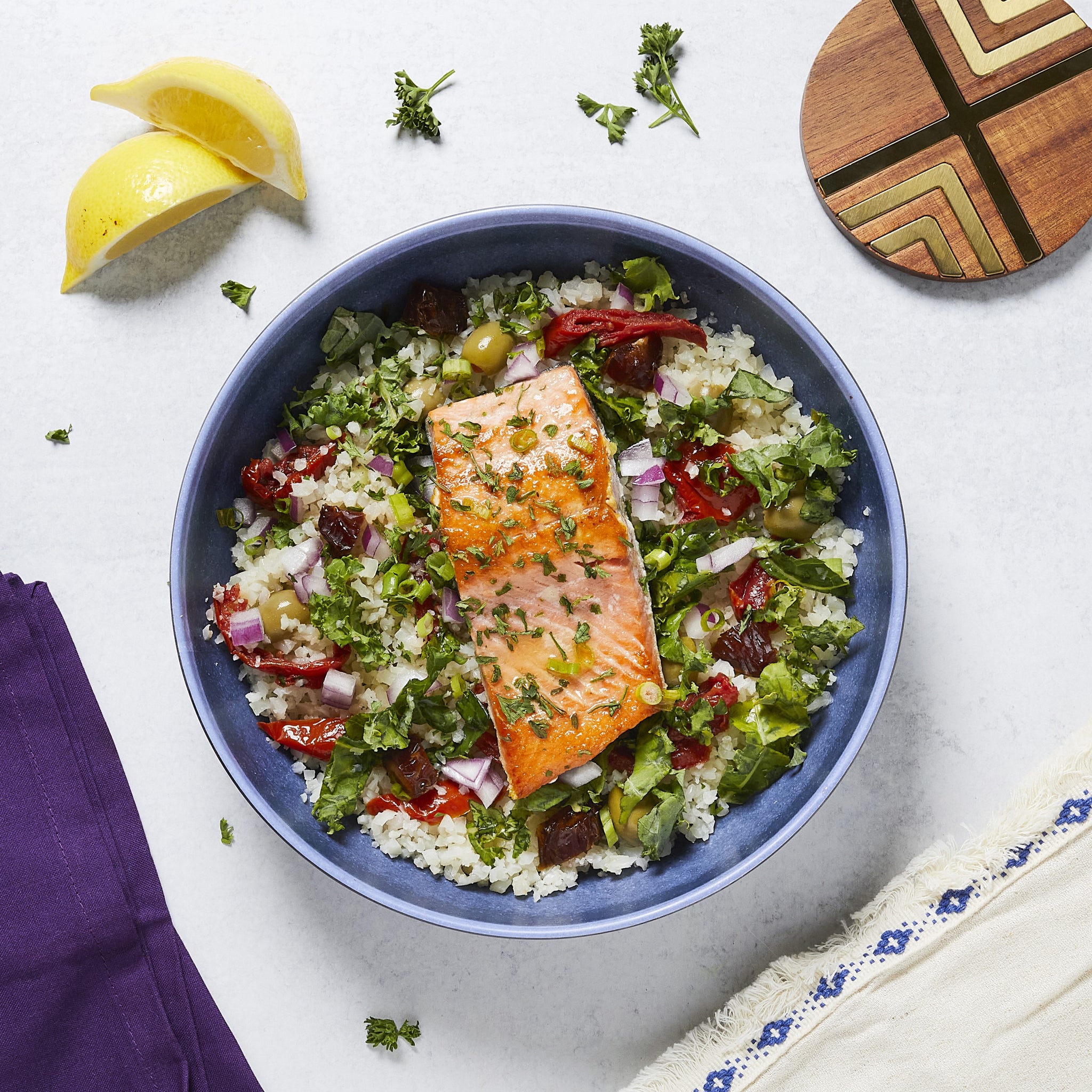

How long does meal prep last in the fridge? Here's the short answer: most cooked meal prep is safe for three to four days, as long as your fridge holds at 40F or below. That's the USDA line, and it's the number to build your week around.
But safe and good are two different things. You've probably opened a Thursday container of something you cooked Sunday, technically fine, and still felt your appetite quietly leave the room. That gap is why so many people quit meal prep. So let's go past the headline number and into the nuance nobody bothers to explain: which day your food actually tastes right, which foods bail early, and how to reheat so every bite lands the way you meant it to.
The Day-by-Day Fridge Timeline
Food safety and food quality run on two different clocks. One tells you whether a meal can make you sick. The other tells you whether you'll actually want to eat it. So how long is meal prep good for? It depends on which clock you're reading, and both matter, because a safe meal you dread is a meal you'll skip.
Here's how a typical cooked, macro-balanced prep (think chicken, roasted veg, grains) tends to move through the week when stored properly at 40F or below.
|
Day |
Safety status |
Honest quality status |
|
Day 1 |
Safe |
Peak. Fresh texture, full flavor. |
|
Day 2 |
Safe |
Excellent. Flavors have mingled, still vibrant. |
|
Day 3 |
Safe |
Good. Proteins firm up slightly, veg softens a touch. |
|
Day 4 |
Safe (edge of the window) |
Fading. Grains dry out, greens wilt, sauces separate. |
|
Day 5 |
Not recommended, toss it |
Off. Even if it looks okay, you're past the guidance. |
Safe through day four. At its best through day two or three. Plan your favorites for early in the week and your sturdiest meals for the back end.
The practical move? Front-load the meals you're most excited about, and save sturdy dishes like chili, stews, and roasted root vegetables for days three and four, since they hold their texture far better than delicate ones. Good meal prep containers with tight seals buy you real quality on those later days, too.
The Foods That Don't Make It to Day Four
Not everything gets the full three-to-four-day pass. A few ingredients run on their own, shorter timeline, and forcing them to day four is exactly how meal prep starts feeling like a chore. Handle these separately.
-
Cooked fish: Safe for three to four days like other proteins, but the quality curve is steep. Salmon, cod, and shrimp turn dry and develop a strong smell fast. Eat these on day one or two, not day four.
-
Cut avocado: This one's quality, not safety. Sliced avocado browns within a day even with lemon juice. Add it fresh at serving time instead of prepping it ahead.
-
Dressed greens: Salad greens hold for days. Dressed salad greens do not. Acid and salt wilt them into a soggy mess within hours. Store dressing separately and toss right before eating.
-
Cooked rice: Rice deserves special care. Cooked rice can harbor Bacillus cereus, a bacterium that survives cooking, so cool it quickly and refrigerate within about an hour of cooking rather than letting it sit on the counter.
Want the deeper playbook on texture? Our guide to keeping prep fresh all week covers the small storage swaps that make the biggest difference.
How to Store and Reheat It Right
Storage is where you win or lose the week. The best way to store meal prep starts with a single number, and it isn't printed on your food; it's on your fridge.
Keep your refrigerator at 40F or below. The zone between 40F and 140F is where bacteria multiply fastest, so a fridge that drifts warm quietly shortens every timeline above. A cheap appliance thermometer removes the guesswork, and the FDA's cold-storage guidance explains why that reading matters so much.
If you're still working out how to store meal prep so it lasts, these habits protect both safety and flavor:
-
Cool food fast. Divide big batches into shallow containers so they chill quickly instead of sitting warm in the danger zone.
-
Refrigerate within two hours of cooking, or within one hour on a hot day.
-
Store meals covered and airtight to hold moisture and block off-flavors, a point the FDA echoes on safe food storage.
-
Label each container with the cook date. Guessing is how good food gets eaten a day too late.
The one reheating rule to memorize
Reheating meal prep well comes down to a single number. Bring leftovers to an internal temperature of 165F all the way through, not just warm on the edges. A quick check with an instant-read thermometer confirms it. Stir midway through microwaving to avoid cold pockets, where trouble hides.
Why fuss over a single number? Because foodborne illness is common and largely preventable, and solid meal prep food safety mostly comes down to a few small habits. The CDC estimates tens of millions of cases in the US each year, and simple habits like proper cooling and full reheating are what keep you off that list.
Is Meal Prepping for 4 Days Safe?
Yes. Four days sits right at the top of the USDA's three-to-four-day window for cooked, refrigerated food, so a Sunday prep comfortably covers you through Thursday when your fridge holds at 40F or below.
The honest caveat is quality, not safety. Day four food is fine to eat; it just won't taste like day one. Reheat it fully to 165F, and lean on sturdier dishes for that last container.
Is Meal Prepping for 7 Days Safe?
Not in the fridge alone. Seven straight days of refrigerated cooked meals pushes well past the three-to-four-day guidance, and no amount of reheating resets that clock.
The workaround is the freezer. Cooked meals freeze well for months, so prep a full week and freeze the back half. Move each meal to the fridge the night before, then reheat to 165F. That's how you meal prep when you're short on time without gambling on day-seven leftovers.
Is It Safe to Meal Prep for 2 Weeks?
In the fridge? No. Two weeks of refrigerated cooked food is far outside safe limits, and it's a genuine food-safety risk, not just a flavor problem.
Two weeks only works with freezing. Portion meals into airtight containers, freeze them flat, and thaw in the fridge rather than on the counter. Even then, quality slips over time, so label everything and rotate oldest first. For a fortnight of eating, batch-freezing beats one marathon fridge stockpile every time.
The Bottom Line on Fridge Life
Meal prep isn't about squeezing the most days out of one cook session. It's about eating well on every one of those days.
Keep the fridge at 40F, respect the three-to-four-day window, give fish, avocado, greens, and rice their shorter leash, and reheat everything to 165F. Do that, and you'll stop tossing sad Thursday containers.
Here's the reframe worth carrying with you: the real enemy of meal prep isn't spoilage; it's the slow quality slide that makes day-four food a drag. Plan around that curve, and consistency gets a whole lot easier. If the routine still wears you down, our take on beating meal prep burnout is worth a read.
Skip the Day-Four Problem Entirely
Want to sidestep the aging-fridge issue altogether? A regular delivery schedule means your food shows up fresh instead of counting down in your fridge. Explore our chef-prepared meal prep made easy, and let fresh, balanced meals arrive right on time- no timeline math required.