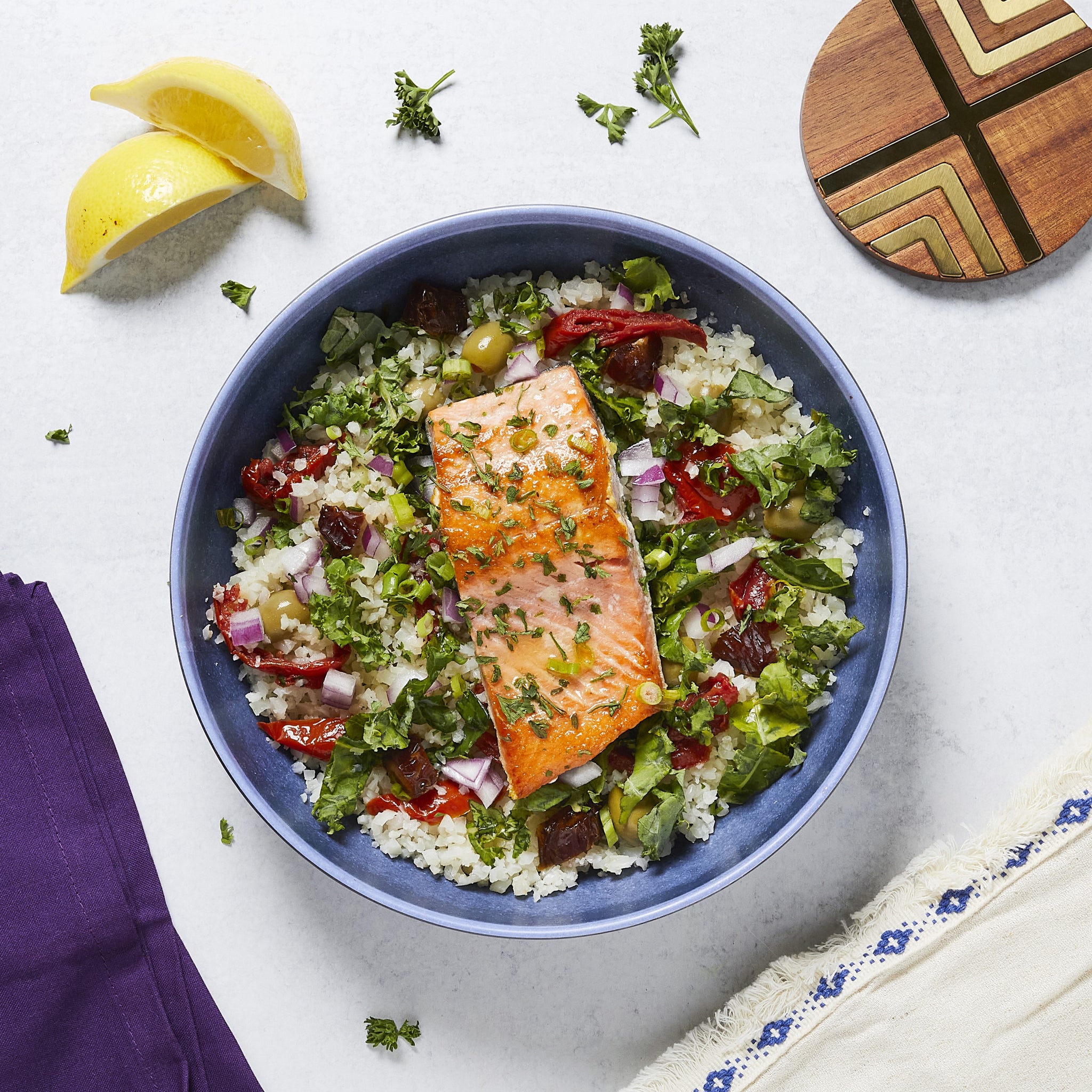

Picture powering through Monday with steady focus and energy to tackle each challenge head-on. When you're busy with meetings or deadlines, it's easy for eating well to get pushed aside. High-protein meal prep offers a simple way to keep your energy up without making your day more hectic.
Protein isn’t only for athletes. It helps everyone stay focused and feel full longer. In fact, a study published in the American Journal of Clinical Nutrition found that high-protein meals significantly boost satiety and improve concentration. If you’re moving quickly from one task to another, having enough protein in your meals can help you avoid that afternoon slump. Here are some real tips to make high-protein meal prep fit your busy schedule.
Why Protein Should Be a Priority in Your Daily Routine
When your calendar is packed, it’s easy to feel drained. Protein helps keep your energy steady, so you don’t crash after a quick snack. It digests slowly and gives you a steady source of fuel for long workdays.
Protein also helps you feel full longer. This means you’re less likely to get distracted by hunger during important calls or projects. You’ll be more likely to stick to your plan and stay productive.
Another benefit is that protein helps you maintain muscle, which is useful if you fit in workouts when you can. It supports muscle repair and keeps you strong, even if you exercise just to stay balanced. This helps you handle daily stress better.
Protein can also boost your metabolism a bit because it takes more effort to digest than fats or carbs. While it’s not a quick fix, adding more protein can support your body’s natural processes and help you stick to your health goals, even when you’re busy.
How Much Protein Do You Really Need?
Figuring out how much protein you need is simple. Most adults can start with about 0.8 grams per kilogram of body weight, according to health guidelines. For example, if you weigh 70 kilograms, that's about 56 grams a day. For readers who measure weight in pounds, you can convert kilograms to pounds by multiplying by 2.2. So, if you weigh 154 pounds, you would aim for about 56 grams of protein each day. If you're more active, you might need up to 1.2 grams per kilogram, or 0.54 grams per pound. (Services, 2020)
These numbers are just estimates to help you plan. Pay attention to how you feel and adjust as needed. If you’re vegetarian or have certain preferences, foods like eggs, beans, or tofu can help you reach your protein goals easily.
You can track your protein by using an app or just estimating your portions. For example, a piece of chicken the size of your palm or a scoop of Greek yogurt covers a lot. Aim for consistency, not perfection, so you can focus on work instead of stressing about meals.
Common Pitfalls to Avoid in Protein Meal Prep
A common mistake is eating the same protein every day. Mixing things up with chicken, fish, and plant-based options keeps meals interesting and helps you get a range of nutrients.
Another problem is not spending enough time on prep, which can lead to rushed, unbalanced meals. Even high-protein dishes can feel lacking without veggies or healthy fats. Try adding simple sides to make your meals more complete.
Forgetting about storage is another common issue. If you don’t store meals properly, they can spoil and your effort goes to waste. Use airtight containers and refrigerate your food right away to keep it fresh all week.
Finally, not paying attention to portion sizes can cause problems. It’s easy to eat too little or too much. Start with moderate portions and adjust as needed. Find what works best for you.
DIY Meal Prep Versus Ready-Made Options: What's Best for You?
For high-protein meal prep, you can either make your own meals or choose professionally prepared options. Both choices can work, depending on how your week looks.
Making your own meals gives you full control. You choose the ingredients, adjust flavors, and often save money. It’s nice to know what’s in your food, and meal prep can even be a relaxing weekend activity if you like to cook.
But meal prep does take time. Shopping, chopping, and cooking can use up your free hours. To make it more manageable, consider prepping ingredients in bulk over the weekend. Chopping vegetables and marinating proteins in advance can save crucial minutes during the week. You can also use shortcuts like pre-cooked grains or store-bought sauces to streamline the process. If your plans change, you might not eat the meals you made, which can lead to waste. Also, getting the right balance of nutrients may take some practice.
Professionally prepared meals take care of the hard work for you. These services deliver balanced, high-protein meals to your door, saving you time for other things. They focus on nutrition, so you get consistent quality without having to guess.
While professionally prepared meals provide convenience, they often come at a higher cost compared to home cooking. For instance, the average cost of a meal service might range from $10 to $15 per meal, whereas preparing your own meals can reduce the cost to about $4 to $8 per meal. This cost comparison can help you decide which option best fits your budget.
If you like variety, make sure the menu changes often. It’s a balance between convenience and personal preference.
A mix of both options might work best. Make your own meals when you have time, and use ready-made ones during busy weeks. This flexible approach helps you stick to your routine.
Exploring Convenient High-Protein Solutions
On days when even simple meal prep feels like too much, services like Healthy Fresh Meals can help. They offer healthy, high-protein meals made with good ingredients like lean meats, fresh vegetables, and whole grains, all portioned for balanced nutrition. If you're looking for other reputable options, consider Freshly or Sun Basket, which also provide nutritious meal delivery services that fit busy lifestyles.
The main benefit is saving time. You don’t need to shop or clean up the kitchen. Meals come ready to heat and fit easily into a busy schedule. It’s a practical way to stay consistent with your nutrition.
These services can support your goals, whether you need energy for late-night work or want to recover after a workout. With different menu options, you can avoid eating the same thing every day.
Protein Meal Prep Ideas to Get You Started
Simple ideas work best for protein meal prep. Try grilled chicken salads by layering spinach, cherry tomatoes, and vinaigrette for a quick meal with about 30 grams of protein per serving.
Egg muffins are another easy option. Whisk eggs with vegetables and turkey bacon, bake them in a muffin tin, and take them with you. They’re versatile, reheat well, and are great for busy schedules.
For a plant-based option, try quinoa bowls with chickpeas and avocado. Make a large batch of quinoa, add roasted vegetables, and top with nuts for extra crunch. This combination gives you protein with little effort.
If you’re short on time, smoothies are a good choice. Blend Greek yogurt, berries, and protein powder for a quick, portable meal that keeps you full.
You can make these meals in batches for several days and adjust as needed. Generally, batch prepping takes about 2-3 hours over the weekend, which can save you significant time during the week. The goal is to build habits that fit your routine, not to change everything at once.
Read More: 7-Day Meal Prep Plan for Building Lean Muscle
FAQs About High-Protein Meal Prep
How much protein should I aim for in each meal?
Aim for 20 to 30 grams of protein in each meal to help you stay full. For example, a turkey wrap or lentil soup can provide that amount without making things complicated.
Is meal prep really that convenient for a packed schedule?
Yes, especially if you cook in batches on the weekend. This reduces daily decisions and lets you focus on work instead of worrying about lunch.
What about variety in high-protein meals?
Change up your proteins and sides to keep meals interesting. Try switching from salmon to tofu or using different spices. Many meal services also change their menus to help with variety.
How much time can I save with ready-made high-protein meals?
You can save a lot of time by skipping the two hours of shopping and cooking each week. That gives you more time to rest or enjoy your hobbies, which is important when you’re busy.
Can high-protein meal prep fit vegetarian diets?
Yes, you can use foods like beans, eggs, and dairy. High-protein meal prep is flexible, so you can adjust recipes or pick meal services with plant-based choices.
What's the best way to store prepped meals?
Store your meals in glass containers in the fridge for up to four days. Freeze any extras if needed, and label everything to keep track of freshness.
If you think high-protein meal prep could help your routine, check out what Healthy Fresh Meals offers. Our balanced, convenient meals might make things easier for you. Check out our weekly menu items today!