
You've read the articles. Chronic inflammation, omega-3s, the foods that supposedly calm things down. What almost nobody tells you is how to turn all that into anti-inflammatory meal prep you'll actually cook on a regular Tuesday night.
That's the gap this guide closes. Most health sites explain the science of an anti-inflammatory diet beautifully, then leave you staring at your fridge. We're going to operationalize it instead: a short foods-to-emphasize cheat sheet, the handful of staples this plan runs on, and a real five-day prep built around one two-hour cook session. No fad rules. Just nourishing, macro-balanced food you can batch on a Sunday and eat all week. Ready to make anti-inflammatory meal prep feel doable? Let's get into it.
Foods to Emphasize vs. Foods to Limit
Before any recipe, here's the map of anti-inflammatory diet foods. Think of it as emphasize versus limit, not good versus bad, because a sustainable eating pattern has room for almost everything in the right proportion.
|
Emphasize |
Limit |
|
Fatty fish (salmon, sardines) |
Fried foods |
|
Extra-virgin olive oil |
Refined carbs (white bread, pastries) |
|
Leafy greens (spinach, kale) |
Sugary drinks and added sugar |
|
Berries and colorful fruit |
Processed and cured meats |
|
Legumes (lentils, chickpeas) |
Trans fats and most margarines |
|
Whole grains (quinoa, brown rice) |
Excess red meat |
|
Nuts, seeds, and spices like turmeric |
Highly processed snacks |
This split mirrors the lists published by Harvard Health and echoed by the Arthritis Foundation. The left column isn't a diet so much as a direction. Lean into it more days than not, and you're already doing the work.
The Six Staples This Plan Runs On
You don't need forty ingredients. You need six that pull real weight. Here's what each one actually does.
-
Fatty fish. Salmon and sardines deliver omega-3 fatty acids, the fats Mayo Clinic ties to the heart benefits of a Mediterranean-style eating pattern. Your anti-inflammatory anchor.
-
Extra-virgin olive oil. An everyday cooking and dressing fat, rich in polyphenols. Use it where you'd reach for butter. (More in our guide to smarter fats for meal prep.)
-
Leafy greens. Spinach and kale bring fiber, vitamin K, and antioxidants for almost no calories.
-
Berries. Blueberries and strawberries are nutrient-dense and naturally low in sugar, an easy anti-inflammatory snack.
-
Turmeric. The spice behind curry's color. Its active compound, curcumin, is the one researchers keep studying for antioxidant properties.
-
Legumes. Lentils and chickpeas give you plant protein and fiber, and a review on NIH's PMC links them to lower inflammatory markers.
Build around these six, and the rest of the grocery list basically writes itself.
What Is the Best Meal Plan for an Anti-Inflammatory Diet?
If you want one honest answer: a Mediterranean-style pattern is the best-studied template for anti-inflammatory eating. It leans on vegetables, fruit, whole grains, legumes, olive oil, and fish, with less processed food and added sugar.
Why that one? Because it's built for the long haul. According to Healthline and the Harvard T.H. Chan School of Public Health, the pattern's strength is consistency, not intensity. It isn't a cleanse with an end date.
The best anti-inflammatory plan is the one you'll still be eating in three months.
Whether you're testing the waters for a single week or committing to a full run of 21-day anti-inflammatory diet recipes, the structure stays the same. You rotate the staples above through breakfasts, lunches, and dinners so no single meal feels like a chore. Batch cooking is what makes it realistic, which is exactly why a repeatable anti-inflammatory meal prep system beats willpower every time. If weekly cooking tends to fall apart for you, our breakdown of why meal prep fails and how to fix it is worth a look.
What Is the Number One Anti-Inflammatory Food?
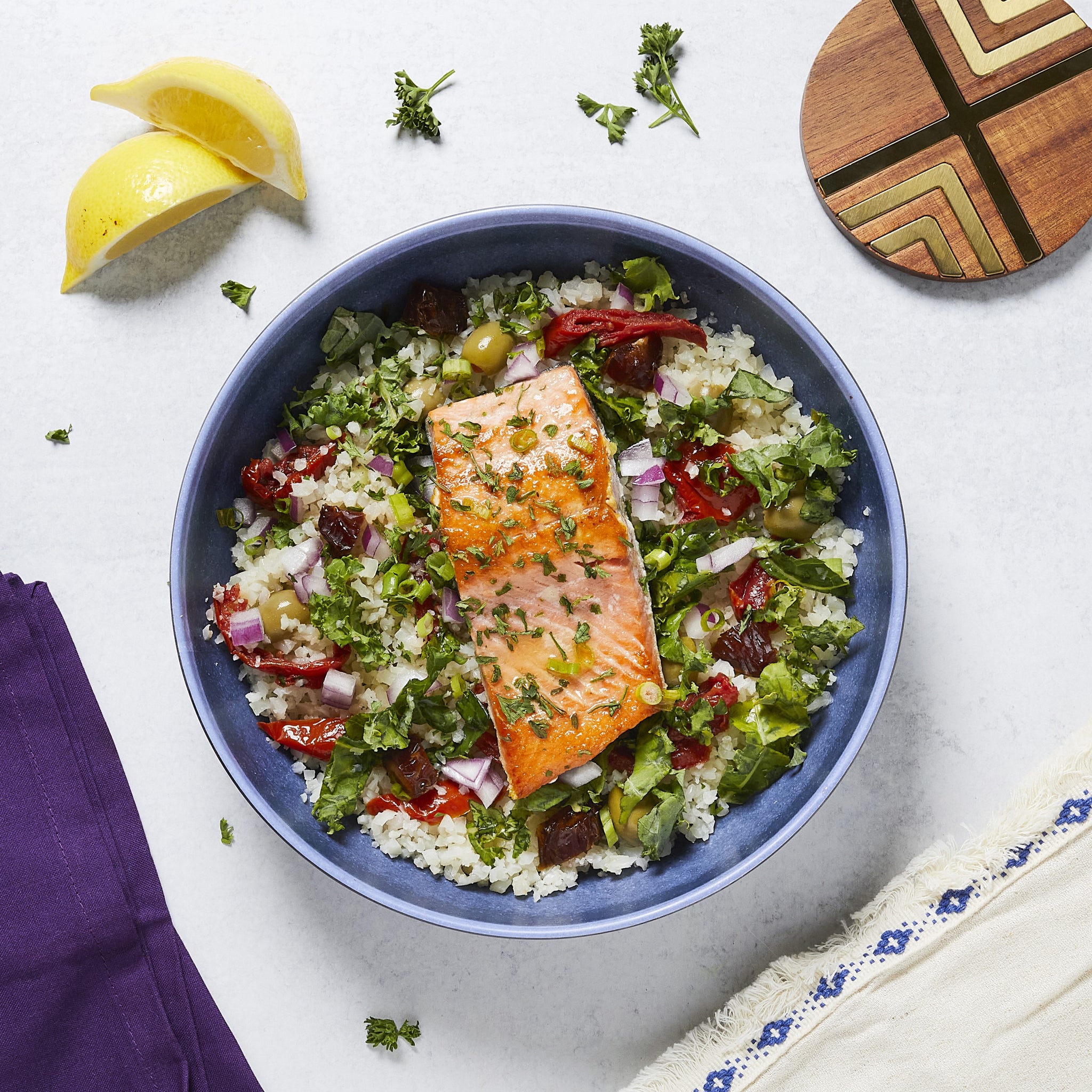
Ask a dozen dietitians and most will land on the same answer: fatty fish, with salmon leading the pack.
Here's the reasoning. Salmon and sardines are the richest common sources of the long-chain omega-3s (EPA and DHA) that research consistently associates with lower inflammation. Mayo Clinic and Harvard Health both flag these fats as a cornerstone of the eating pattern, and a clinical review on PMC summarizes the broader evidence behind anti-inflammatory diets.
A quick, honest caveat: no single food treats or cures anything on its own. Calling salmon "number one" is shorthand for "the most nutrient-dense, well-supported place to start," not a promise. Aim for two servings of fatty fish a week, which is the general guideline you'll see repeated across these sources. If fish isn't your thing, berries, leafy greens, and olive oil are all strong supporting players. The point isn't to crown one hero. It's to eat the whole lineup consistently.
Your 5-Day anti-inflammatory Meal Prep Plan: Shop Once, Cook Once, Eat All Week
Here's where anti-inflammatory meal prep becomes dinner. One shopping trip, one focused cook session, five days of assembled meals.
The shopping list
-
4 salmon fillets
-
1.5 to 2 lbs boneless, skinless chicken thighs
-
1 cup dry lentils and 1 can of chickpeas
-
1 cup quinoa or brown rice
-
Baby spinach and a bunch of kale
-
Cherry tomatoes, cucumber, red onion, garlic
-
Blueberries and strawberries
-
Extra-virgin olive oil, ground turmeric, cumin, lemon, salt, pepper
-
Greek yogurt and a handful of walnuts
The two-hour cook session
Run these in order so nothing sits idle. Start the slow cooker first, since it does its own thing while you handle everything else.
-
Get the slow cooker chicken going. Toss the thighs with olive oil, turmeric, cumin, minced garlic, lemon, salt, and pepper. Add a splash of water or broth, set it on low, and walk away. That's your anti-inflammatory slow cooker chicken, done in about five minutes of effort.
-
Roast the salmon. Season with olive oil, lemon, salt, and pepper. Bake until just cooked through, then let it cool before storing.
-
Cook the grain. Simmer the quinoa or brown rice while the oven works.
-
Simmer the lentils. Cook until tender, drain, and season. Rinse the canned chickpeas and set aside.
-
Prep the produce. Wash and dry the greens, halve the tomatoes, slice the cucumber and onion, and rinse the berries.
-
Portion. Divide everything into containers. Good airtight containers make the difference between food that lasts and food you toss.
Five days of assembled meals
-
Day 1: Salmon over quinoa with roasted tomatoes and a big handful of spinach.
-
Day 2: Slow cooker chicken with lentils and a lemon-dressed kale salad.
-
Day 3: Chickpea and cucumber bowl with greens, red onion, olive oil, and leftover chicken.
-
Day 4: Salmon salad over spinach with walnuts and a side of berries.
-
Day 5: Chicken and lentil grain bowl, topped with Greek yogurt and a turmeric-olive oil drizzle.
Breakfast stays simple all week: Greek yogurt with berries and walnuts. These anti-inflammatory meal prep recipes are built to repeat. To keep your anti-inflammatory recipes tasting fresh through Friday, our tips on keeping meal prep fresh all week are a genuine game-changer.
The Real Secret Is Repetition
Here's the part the science articles skip. An anti-inflammatory eating pattern doesn't work because of one perfect salmon dinner. It works because you ate the staples, most days, for weeks on end.
That's the mindset shift: stop chasing the ideal plate and start protecting the habit. The six staples give you the what. One Sunday of anti-inflammatory meal prep gives you the how. Consistency does the rest, quietly, over time.
So pick your start date, run the plan for a week, and notice how much easier the second week feels once the system is familiar. You're not overhauling your life. You're building a routine you can actually keep, which is the only version of this that ever pays off.
Want the Plan Without the Prep?
The decision that usually breaks healthy eating is the weekly "what do I cook?" If you'd rather skip that step entirely, let us handle it. Our chef-prepared meal prep service delivers balanced, nutrient-dense meals so staying on track takes zero willpower. Start there, keep it going.